Aidan Dodson: British Light Cruisers of the First World War, Gebunden
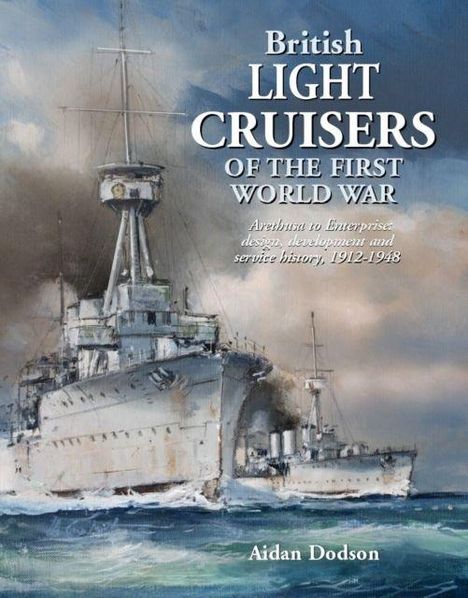
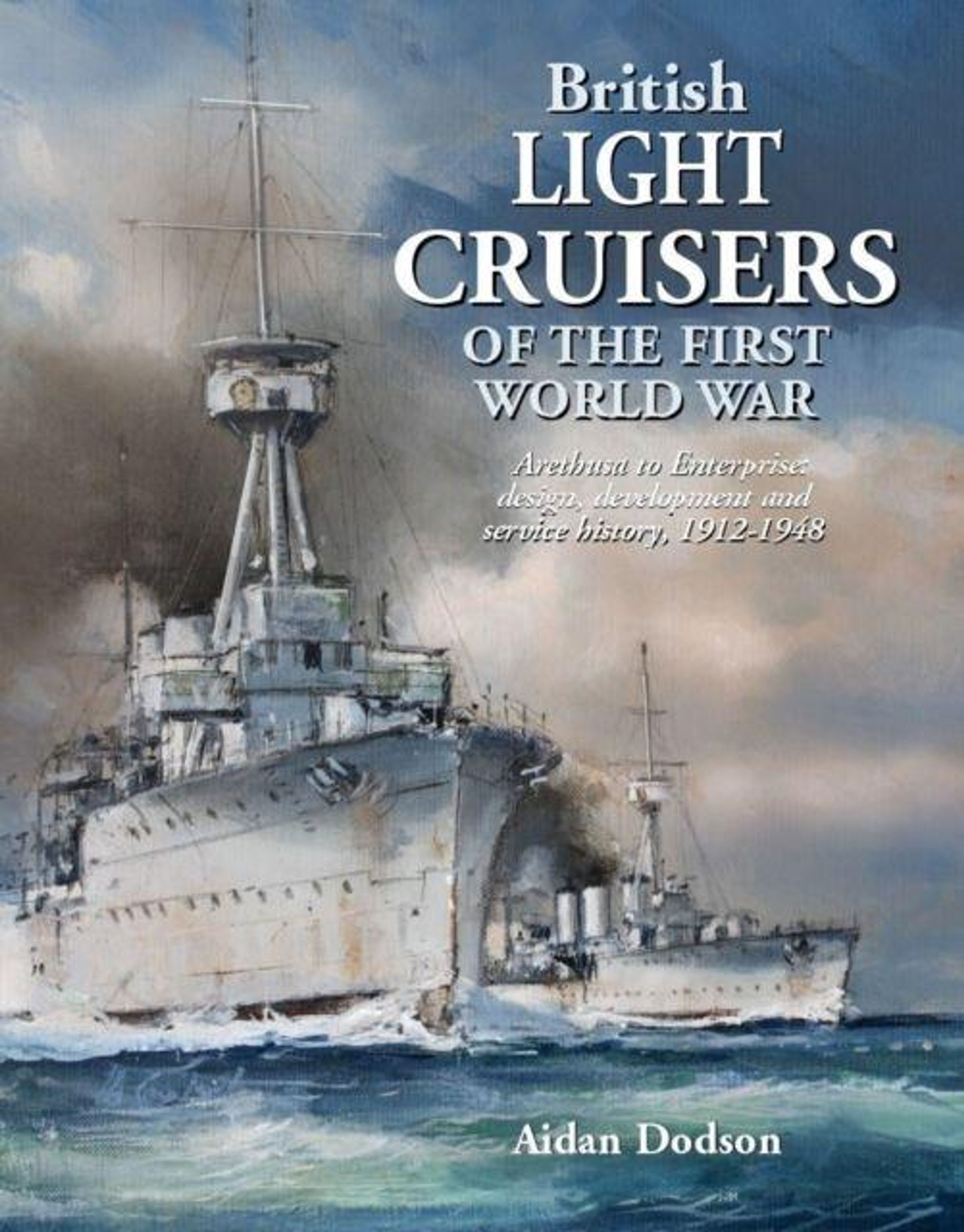
British Light Cruisers of the First World War
- Arethusa to Enterprise: design, development and service history, 1912-1948
Sie können den Titel schon jetzt bestellen. Versand an Sie erfolgt gleich nach Verfügbarkeit.
- Verlag:
- Pen & Sword Books Ltd, 11/2026
- Einband:
- Gebunden
- Sprache:
- Englisch
- ISBN-13:
- 9781036133702
- Artikelnummer:
- 12908424
- Umfang:
- 240 Seiten
- Erscheinungstermin:
- 30.11.2026
- Hinweis
-
Achtung: Artikel ist nicht in deutscher Sprache!
Klappentext
In 1912, the Royal Navy introduced a new type of cruiser intended to operate directly with their fleet. The first ships, the Arethusa class, entered service in 1914-15. The design evolved during the First World War through the "C" and "D" classes, culminating in the "E" class created in 1918. These vessels became the fastest and most heavily torpedo-armed cruisers ever built for the Royal Navy.
Author Aidan Dodson examines the origins, design, and technical development of these cruisers, tracing the many modifications made over their long service lives. The book draws on both archival and published material, and is extensively illustrated with photographs and drawings, covering significant changes in the ships' appearances and armament during their long careers.
Built for operations in the North Sea, they saw extensive action during the First World War before undertaking a wide range of postwar duties, including operations against Bolshevik forces in the Baltic, routine fleet service, and gradual decommissioning. The outbreak of the Second World War halted planned scrapping and returned the surviving ships to frontline service, with several converted into specialized anti-aircraft cruisers. Deployed worldwide, they played significant roles in every major theater of the conflict, seeing particularly heavy combat in the Mediterranean, where losses were severe. Others--notably Coventry --earned distinction for their effectiveness in air defense roles. After 1945, the remaining ships were scrapped between 1946 and 1948, with the sole exception of Caroline, the last surviving British ship to have fought at Jutland, which remains preserved today.